Hire a Violinist in Bangkok: Cost, Visas and What to Check
If you want to hire a violinist in Bangkok for a wedding, gala, hotel opening or corporate event, the main decisions are the same ones every client faces: solo or with a band, local musician or a performer flown in, and what the fee actually covers once travel and permits are added. A solo violinist usually plays a 45 to 60 minute set across cocktail hour and dinner. Pricing depends on format, season, and whether the performer is based in Thailand or travelling in, so get a written quote rather than relying on a figure you saw online.
Contents
- What It Costs to Hire a Violinist in Bangkok
- When to Book a Violinist in Bangkok
- What a Typical Violinist Set Looks Like
- Solo, Duo or Violinist with DJ: Which Format Fits
- How Violinists Travel In: Visas and Local Rules
- Technical Rider and Stage Requirements
- Venue Types in Bangkok and What They Mean for Sound
- Mistakes to Avoid
- Questions to Ask Before You Book
- FAQ
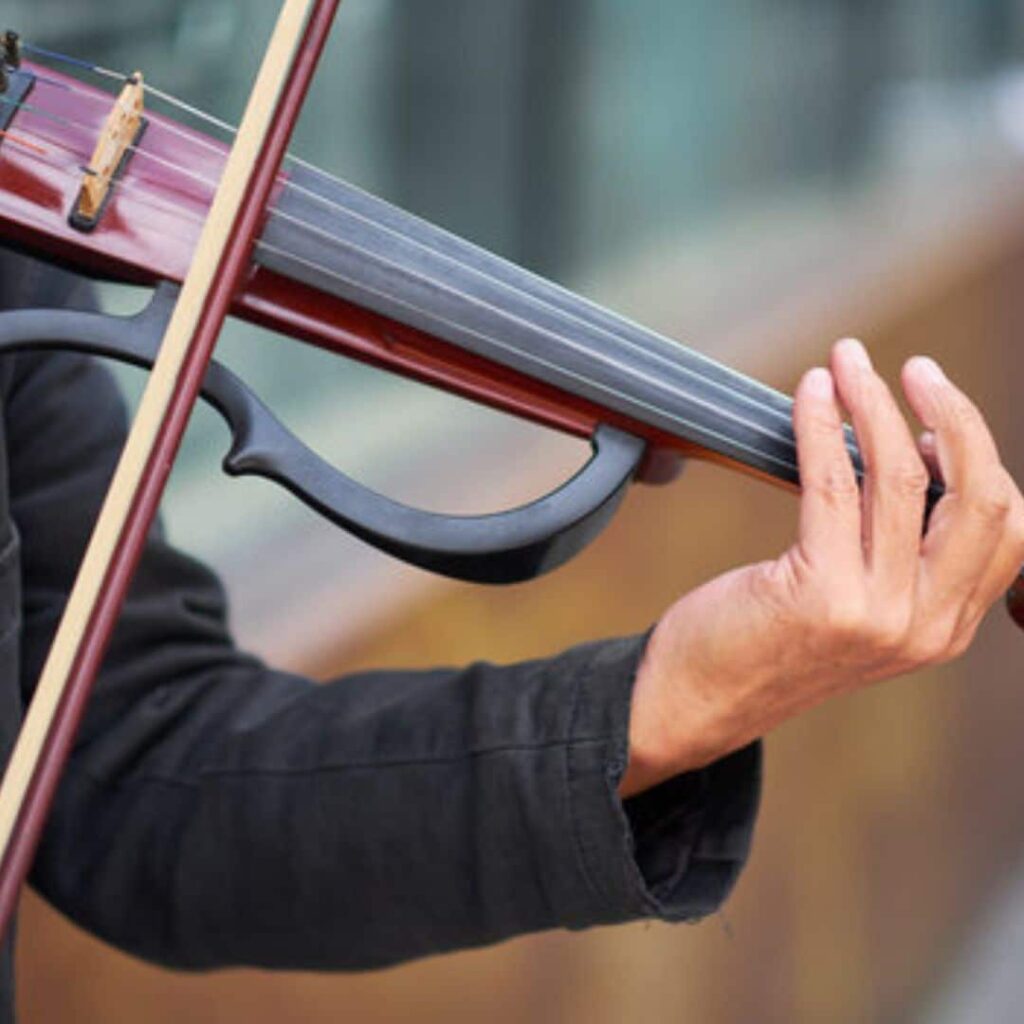
What It Costs to Hire a Violinist in Bangkok
There is no fixed market rate we can print here, because the fee moves with the format, the performer's experience, the date, and whether a performer is flying in from outside Thailand. What we can tell you is what drives the number up or down, and where most of the budget actually goes.
| Format | Typical set length | Best for | Relative cost tier |
|---|---|---|---|
| Solo violinist (local) | 45 to 60 minutes | Cocktail hour, dinner background, intimate ceremonies | $ |
| Violinist and DJ pairing | 2 to 3 hours | Receptions, product launches, longer corporate events | $$ |
| Violinist with live band | 2 to 3 hours | Weddings, galas, brand events wanting a full show | $$ to $$$ |
| String duo or trio | 45 to 90 minutes | Ceremonies, formal dinners, high-end hotel events | $$ |
| International violinist (flown in) | Varies by contract | Signature events, branded shows, specific repertoire requests | $$$ and up |
A fee quoted by an agency usually bundles the performance fee with sound, transport within Bangkok, and agency coordination. If a performer is travelling from abroad, add flights, accommodation, per diem, and sometimes local crew or backline rental. Ask for an itemised quote so you can see what you are actually paying for, and compare that against what we outline on our live band in Bangkok page, since bundling a violinist with a band often costs less per musician than booking each separately.
When to Book a Violinist in Bangkok
Book 6 to 10 weeks out for a standard solo booking, and 3 to 6 months out if you want a specific international performer or are planning around high-demand dates. Bangkok's event calendar runs heaviest from November through February, when the weather is cooler and most weddings, galas and corporate year-end events are scheduled. Chinese New Year and the week around it also pulls hotel and venue availability tight, since many brands run entertainment-heavy activations. If your date falls in that window, confirm your musician at least two months ahead rather than assuming availability.
Songkran, the Thai New Year in mid-April, is a different problem: it is low season for formal events but high season for travel disruption, since flights and hotel staffing across Thailand get affected. If you are flying a violinist in around that period, build extra buffer days into the schedule.
What a Typical Violinist Set Looks Like
A standard solo set runs 45 to 60 minutes, broken into two or three short segments across the event rather than played straight through. A common structure for a wedding or gala looks like this:
- Arrival or cocktail segment: instrumental covers, light classical pieces, ambient pop arrangements.
- Ceremony or key moment: one or two specific requested pieces, rehearsed with cues.
- Dinner or reception segment: a mix of requested songs and the performer's standard repertoire.
If you want a specific piece played at a specific moment, such as a processional or a first dance, say so when you book, not two days before. Most violinists need at least two to three weeks to learn and rehearse a request that is not already in their standard book, especially if it needs a backing track or arrangement built around it.
Solo, Duo or Violinist with DJ: Which Format Fits
A solo violinist suits ceremonies, intimate dinners and any event where the brief is atmosphere rather than a show. Once the event needs to carry energy for two hours or more, pairing the violinist with a DJ or a small band changes the feel entirely and keeps the floor moving once dinner ends. This pairing has become one of the more requested formats for hotel events and brand launches in Bangkok, because it gives you a visual centrepiece (the violinist) layered over a DJ set rather than two disconnected acts.
If the brief is closer to a full production, a string quartet or a violinist fronting a live band gives you more range, but it also raises the technical and logistical load: more musicians, more instruments to transport, and a longer soundcheck window. Our DJ booking page for Bangkok covers the DJ side of that pairing in more detail, including how the two acts split performance time across the night.
How Violinists Travel In: Visas and Local Rules
Thai musicians based in Bangkok need no special travel arrangement. The complexity comes in when you book an international violinist to fly into Thailand specifically for your event. Foreign performers working in Thailand generally require a work permit and the correct visa category for paid performance, not a standard tourist visa, even for a single show. Rules and processing times change, and enforcement varies by event type and venue, so confirm the current requirement with the agency and, where relevant, the venue or event organiser before the date is locked. This is an area where getting it wrong does not just cost money, it can stop the performer from working on the day.
Instrument transport is the other practical issue. A violin can travel as cabin baggage on most airlines if booked correctly, but policies differ by carrier, and larger cases sometimes need a seat purchased for the instrument. If the performer is bringing an electric violin with pedals or amplification, factor in voltage and plug type, since Thailand runs on 220V with sockets that accept both two-pin flat and round plugs, and confirm with your production team rather than assuming the venue has adapters on hand.
On dress and conduct: Bangkok's hotel and corporate event scene is generally relaxed about Western performers, but formal venues and government-linked events can have stricter expectations around dress, and alcohol service rules vary by venue and by date around Buddhist holidays, when some venues restrict alcohol sales entirely. If your event falls near one of these dates, confirm with the venue directly.
Technical Rider and Stage Requirements
A violinist's technical rider is lighter than a full band's but still non-negotiable. At minimum you should expect to provide:
- A DI box or dedicated input if the violin is electric or fitted with a pickup.
- A monitor or in-ear feed so the performer can hear themselves against ambient noise.
- A stand light if the set runs into an outdoor evening with low lighting.
- A stable, level surface to perform on, which matters more than it sounds for outdoor, beach or rooftop events with uneven decking.
- A 15 to 20 minute soundcheck window before guests arrive.
If the violinist is performing with a backing track or paired with a DJ, confirm who is supplying the playback system and who controls levels during the set. This is one of the most common gaps between client expectation and what actually shows up on site: the client assumes the venue's house system covers it, the venue assumes the agency is bringing one. Settle this in writing before the week of the event.
Venue Types in Bangkok and What They Mean for Sound
Bangkok's event venues fall into a few broad categories, and each changes what the violinist needs technically:
- Hotel ballrooms: controlled acoustics, house sound systems usually available, easiest setting for a solo set.
- Rooftop and sky bar venues: wind and open-air noise can wash out an unamplified violin, so amplification is usually needed even for a short set.
- Riverside and outdoor garden venues: ambient noise from boat traffic or nearby roads, plus humidity considerations for the instrument itself.
- Yacht and boat events on the Chao Phraya: tight space for setup, engine noise, and the instrument's exposure to moisture need to be managed by the performer and the production team together.
We do not name or guarantee details of any specific venue here, since room layout, house systems and capacity vary and change. Confirm those specifics directly with your venue or event organiser before finalising the performer's technical plan.
The most expensive mistake: booking a solo or amplified act for an outdoor or rooftop venue without confirming power access and wind exposure in advance. An unamplified violin disappears in open air within minutes of any breeze or crowd noise, and discovering this during the event, after guests have arrived, cannot be fixed on the spot. Confirm amplification needs and power points with the venue during planning, not on the day.
Questions to Ask Before You Book
- Is the quote inclusive of sound, or do we need to provide a PA and DI box?
- If the performer is flying in, who is responsible for the work permit and visa, and is that cost built into the quote?
- How many rehearsed requests are included, and what is the deadline for adding a new one?
- What happens if the performer is ill or delayed: is there a backup musician on the agency's roster?
- What is the cancellation and rescheduling policy, especially for dates close to Thai public holidays?
If you are comparing acts for the same event, it's worth reading our page on hiring a magician in Bangkok as well, since many corporate clients book a violinist for the arrival segment and a different act for later in the evening, and the logistics questions overlap heavily.
FAQ
How much does it cost to hire a violinist in Bangkok?
Cost depends on whether the violinist is local or flying in, the set length, and the format (solo, duo or paired with a band or DJ). A solo local violinist for a 45 to 60 minute set sits at the lower end of the market, while an international performer with flights, accommodation and a longer contract will cost significantly more. Ask for an itemised quote to see exactly what's included.
Do foreign violinists need a work permit to perform in Thailand?
In most cases, yes. Foreign performers working for payment in Thailand typically need the correct visa category for paid performance plus a work permit, not a tourist visa, even for a single event. Requirements and processing times can change, so confirm the current rules with your agency and, where applicable, the event organiser before the booking date is locked in.
Can a violinist play outdoors or on a rooftop in Bangkok?
Yes, but it usually needs amplification. An acoustic violin without a pickup or DI loses most of its sound outdoors due to wind and ambient noise. For rooftop, beach or garden venues, confirm power access and amplification with the venue in advance rather than assuming the instrument will carry on its own.
How long does a typical violinist set last?
A standard solo booking runs 45 to 60 minutes, usually split into two or three shorter segments spread across arrival, a key moment such as a ceremony, and dinner or reception. Longer formats, such as a violinist paired with a DJ or live band, can run two to three hours to cover a full event.
How far in advance should I book a violinist in Bangkok?
Six to ten weeks ahead works for a standard solo booking. If you want a specific international performer, or your date falls in Bangkok's busy November to February event season or around Chinese New Year, book three to six months out to secure the date and avoid being limited to whoever is left available.
Can a violinist learn a specific song for my wedding or event?
Most violinists can learn a specific request, but they need notice, usually two to three weeks, especially if the piece needs an arrangement built or a backing track prepared. Confirm your song requests at the time of booking rather than close to the event date, since last-minute requests may not be possible to deliver well.
What's included in a violinist booking fee?
A standard fee usually covers the performance, transport within Bangkok, and agency coordination. It typically does not include venue sound equipment unless specified, so confirm whether a PA system and DI box are provided by the venue or need to be arranged separately. For performers flying in from abroad, flights, accommodation and per diem are added on top of the performance fee.
For a wider view of how we structure international bookings, including musicians and other acts across the region, see our musicians booking page for Dubai and Singapore, or get in touch directly through why clients choose Global Entertainment Company for Bangkok events.