Hire a Violinist in Hong Kong: Cost, Visas, Booking Guide
Booking a violinist for a corporate event, wedding or private party in Hong Kong means an international agency arranging the performer's work visa, flights, local sound equipment and a rehearsal pass with backing tracks or a live band. A solo set usually runs 45 minutes to two hours. Price depends on format, whether solo, violin and DJ, or string quartet, and on whether the performer is flying in or already based in the region. Lead time of six to ten weeks is standard, mostly to cover visa processing and to confirm the rider against the venue's power and stage setup.
Contents
- What a Hong Kong violinist booking actually includes
- When to book a violinist in Hong Kong
- How pricing is built
- Work visas and immigration for performers
- Technical rider: what the venue needs to provide
- Venue types and what changes for each
- Solo violin, violin and DJ, or string quartet
- The most expensive mistake
- FAQ
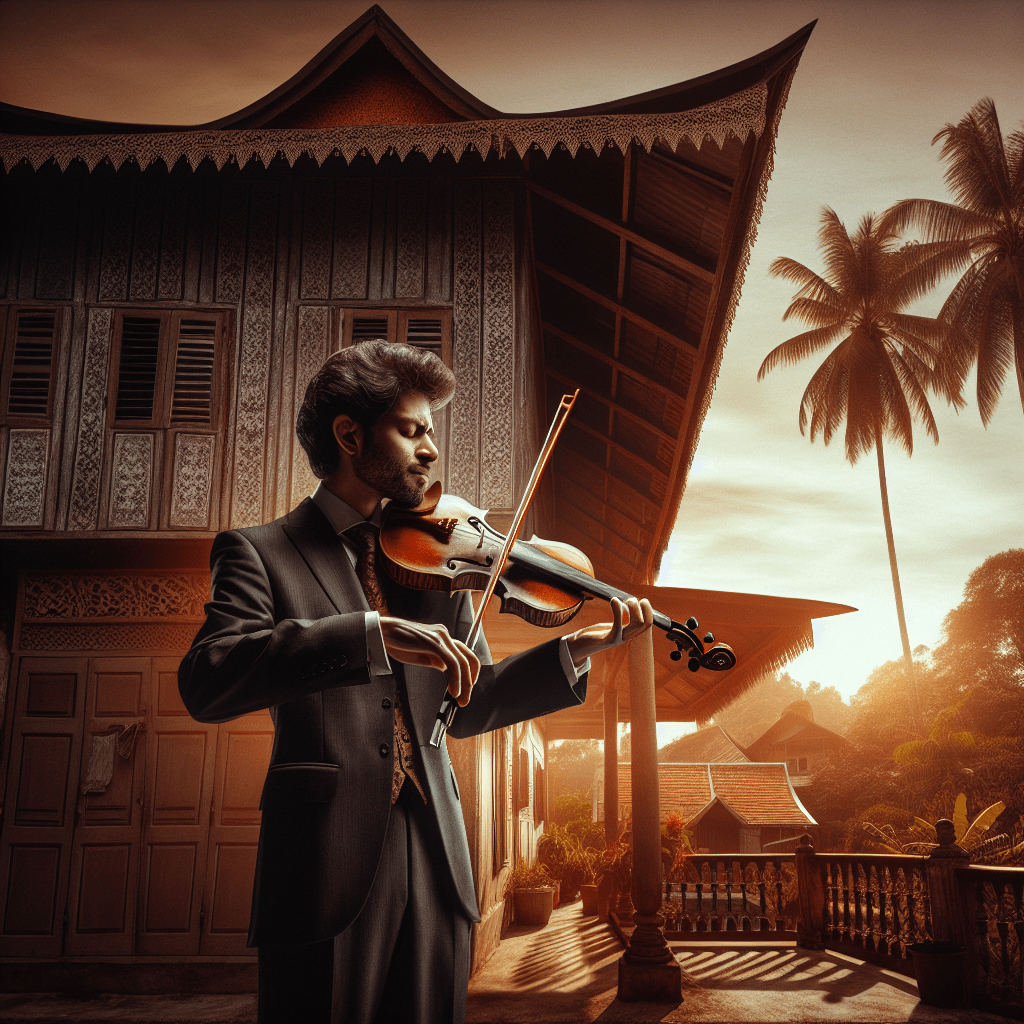
What a Hong Kong violinist booking actually includes
A proper booking is not just a performer showing up with an instrument. When you hire a violinist in Hong Kong through an agency, the fee usually covers the performance itself, travel and accommodation if the artist is flying in, a sound check or rehearsal slot, the rider (the technical list of what the venue must provide), and a local point of contact who manages the schedule on the day. What it does not automatically include, unless you ask, is a sound engineer, a backline rental (speakers, DI boxes, stands), or a second performer for a duo set.
If you already have a DJ or live band booked for the same event, it is worth checking our guide to hiring a DJ in Hong Kong or our page on hiring a live band in Hong Kong, since a lot of the visa and logistics groundwork is shared across acts on the same bill, and bundling can simplify the paperwork considerably.
When to book a violinist in Hong Kong
Book six to ten weeks ahead for most private and corporate events, and twelve or more for anything in the November to January window, when hotel ballrooms and rooftop venues fill with gala dinners, product launches and Christmas parties. Weddings with a specific date and a specific venue should lock the performer in as soon as the venue is confirmed, ideally three to four months out, because popular formats like a string quartet get booked across multiple cities by the same touring artists.
Hong Kong's outdoor event season also matters here. Typhoon season runs roughly June through October, and any beach, yacht or rooftop booking in that window should have a wet weather or indoor backup plan agreed before deposit, not discussed on the morning of the event.
How pricing for a Hong Kong violinist booking is built
There is no single number for "a violinist in Hong Kong" because the fee is built from several moving parts, not one flat rate. The main components are the performance fee itself, international or regional flights if the artist is not locally based, hotel nights (usually one before and one after the event as a buffer), a per diem for meals and local transport, any local crew needed (sound engineer, lighting technician), and backline rental if the venue cannot provide PA and stage equipment.
| Format | Typical duration | Best suited to | Relative cost tier |
|---|---|---|---|
| Solo violinist, backing tracks | 45 to 60 minutes | Cocktail hour, product launch, small wedding ceremony | $ |
| Violinist and DJ | 1 to 3 hours | Dinner into dance floor transition, gala afterparty | $$ |
| Violin and live band | 2 to 4 hours | Corporate gala, large wedding reception | $$$ |
| String quartet or trio | 1 to 2 hours | Formal ceremony, cocktail reception, luxury brand event | $$ to $$$ |
Ask for a quote broken into these line items rather than one bundled figure. It lets you see where the money actually goes and makes it easier to trim cost, for example by using a performer already touring in Asia that month instead of flying one in direct from Europe or North America, which cuts the travel and accommodation line substantially. Our musicians roster across Dubai and Singapore is a useful reference point for how the same line items scale across neighbouring markets.
Work visas and immigration for performers in Hong Kong
Any paid performance in Hong Kong by a non-resident artist requires the correct immigration status, and a tourist or visit visa does not cover paid work. The exact category and processing route depends on the performer's nationality, the length of stay, and who is paying the fee. In practice, the local presenter or sponsoring agency submits the paperwork to the Immigration Department on the artist's behalf, and this is one of the main reasons agencies build in a six to ten week lead time rather than quoting a one or two week turnaround.
Processing timelines vary and should be confirmed case by case with the sponsor handling the submission, since requirements can change and differ by nationality. Do not assume a performer can simply fly in as a tourist and perform for payment. Immigration checks at Hong Kong airport do ask about the purpose of travel, and an artist without the right documentation risks being turned back at the border, which cancels the booking entirely with no recovery option on the day.
Technical rider: what the venue needs to provide
The rider is the technical document that lists exactly what the venue or client needs to arrange before the performer arrives. For a violinist, this typically covers a PA system suitable for the room size, a DI box for pickup from an electric or amplified acoustic violin, at least one monitor wedge or in-ear system, stable power near the performance area, and a stage or riser if the venue is large enough to need sight-line separation from the audience.
| Rider item | Why it matters |
|---|---|
| DI box | Converts the violin's pickup signal cleanly into the house PA without hum or distortion |
| Monitor or in-ear system | Lets the performer stay in time with backing tracks or a DJ, especially outdoors with wind noise |
| Stable, confirmed power supply | Outdoor and yacht venues sometimes run on generator power, which can cause dropouts without warning |
| Rehearsal or sound check window | Thirty minutes minimum to match levels to the room before guests arrive |
Always send the rider to the venue at least two weeks ahead, not on the week of the event. Hotel ballrooms usually have in-house AV teams who know what to do with it immediately. Outdoor and yacht venues more often need the agency to bring its own backline, which should be priced into the quote from the start, not added as a surprise line later.
Venue types in Hong Kong and what changes for each
Hong Kong's main venue categories for live music each come with their own practical constraints, and these should shape your booking decision before you lock a format.
- Hotel ballrooms: generally the easiest booking. In-house sound, stage and power are usually already set up, and load-in access is predictable. Best for corporate galas and formal dinners.
- Rooftop and skyline venues: strong visual impact but weather dependent, and some buildings have curfews or noise restrictions that cut off amplified sound at a set hour. Confirm this with the venue before booking a format that needs a late finish.
- Yachts and harbour venues: space is tight, power often comes from a generator, and backline needs to be compact. A solo violinist or duo works far better here than a full quartet or band.
- Beach and outdoor club venues: sand, humidity and salt air are hard on acoustic instruments, so electric violin is the standard choice, and a wet weather contingency is non-negotiable given typhoon season.
Never assume a venue's in-house equipment matches what your performer needs. Confirm power type, stage dimensions and curfew directly with the venue or event organiser, since these details vary by building and are not something an agency should be guessing at from a brochure.
Solo violin, violin and DJ, or string quartet: which format fits your event
Solo violin with backing tracks is the most flexible and the fastest to book, and works for everything from a ceremony to a cocktail hour. Violin paired with a DJ is the common choice for the transition from dinner into dancing, since the violinist can play over the DJ's set for a visual centrepiece without needing a full band's stage footprint. A string quartet or trio reads as more formal and suits ceremonies, product launches and brand events where the visual of multiple musicians matters as much as the sound. A violin and live band pairing is the biggest production, with the most crew and the longest load-in, and is really only worth it for a large gala or reception with the budget and stage space to support it.
If you are still deciding between a musical act and something else entirely for the same slot, our page on hiring a magician in Hong Kong covers a completely different format that some corporate clients run alongside music rather than instead of it.
The most expensive mistake: booking a performer without confirming their immigration status matches the type of event and length of stay. A violinist turned away at the border because the paperwork was filed as a tourist visa rather than the correct work category means a cancelled booking on the day, no refund path for flights already taken, and a scramble to find a local replacement with almost no notice. Confirm the visa category and who is filing it, agency or client, in writing before you pay a deposit.
FAQ
How much does it cost to hire a violinist in Hong Kong?
Cost depends on format, duration and whether the performer is already based in Asia or flying in from further away. A solo set is the lowest cost tier, violin and DJ sits in the middle, and a string quartet or violin with a full live band costs more due to extra fees, equipment and crew. Ask for a line item quote rather than a single bundled number so you can see exactly what you are paying for.
Do performers need a work visa to perform in Hong Kong?
Yes. A tourist or visit visa does not cover paid performance work in Hong Kong. The correct category depends on the performer's nationality and length of stay, and the local presenter or agency typically files the paperwork with the Immigration Department on the artist's behalf. Processing timelines vary, which is why agencies build in several weeks of lead time rather than booking last minute.
How far in advance should I book a violinist?
Six to ten weeks for most private or corporate events, and twelve weeks or more during the November to January gala and Christmas party season when venues and touring artists are both in high demand. Weddings with a fixed date should book as soon as the venue is confirmed, since popular acts get booked across multiple cities by other clients in the same window.
Can a violinist perform with a DJ or a live band?
Yes, this is one of the most common formats booked for Hong Kong events. The violinist typically plays live melodies over the DJ's mixed tracks, or sits alongside a live band for set pieces during the reception. It requires coordinating the rider between both acts, including shared power, monitor mixes and stage space, which the booking agency should handle as part of the quote.
Is electric or acoustic violin better for outdoor events in Hong Kong?
Electric violin is generally the better choice outdoors, particularly at beach clubs, rooftops and yacht venues, because it is less sensitive to humidity and salt air and it amplifies cleanly through a PA system without needing a microphone positioned close to the instrument. Acoustic violin works well indoors in hotel ballrooms and smaller rooms where natural tone matters more than projection.
What happens if the performer's flight is delayed?
Reputable agencies build a buffer day into the travel schedule specifically to absorb flight delays, so the performer typically arrives the day before the event rather than the morning of. This is one of the reasons accommodation nights are included in the fee rather than treated as optional. Ask your agency directly how their contingency plan works before you book.
What is included in a typical violinist technical rider?
A standard rider for a violinist covers a PA system sized to the room, a DI box for the instrument's pickup, at least one monitor or in-ear system, confirmed stable power at the performance area, and a short sound check window before guests arrive. Outdoor and yacht venues often need the agency to supply its own backline rather than relying on house equipment.
Can I hire a violinist for just a wedding ceremony, not the full reception?
Yes, this is a common and usually lower cost booking. A solo violinist with backing tracks covering the processional, signing and recessional typically runs 30 to 45 minutes and does not require the full rider or crew needed for a reception set. Confirm with your agency whether the same performer can also cover a shorter reception slot if your plans change.
For a wider view of how entertainment bookings work across the region, including venue types and visa handling in other cities, see our why choose us page, or browse past performance footage to see formats in action before you decide.