Hire a Saxophonist in Kuala Lumpur
A professional saxophonist for an event in Kuala Lumpur typically plays sets of 45 minutes to two hours, either solo with a backing track, paired with a DJ, or alongside a live band. International bookings need six to eight weeks of lead time to arrange flights, an entertainer's work pass, hotel accommodation and sound equipment. The total fee is built from four parts: the artist fee, travel, accommodation and a local crew or backline rider. Confirm permit requirements and alcohol service rules with your venue before you sign anything.
Contents
- What It Costs to Hire a Saxophonist in Kuala Lumpur
- When to Book
- What a Saxophone Set Actually Includes
- Flights, Visas and Work Permits
- Alcohol, Dress Code and Local Norms
- Stage, Sound and Technical Rider
- Venue Types Across Kuala Lumpur
- How We Build the Final Quote
- FAQ
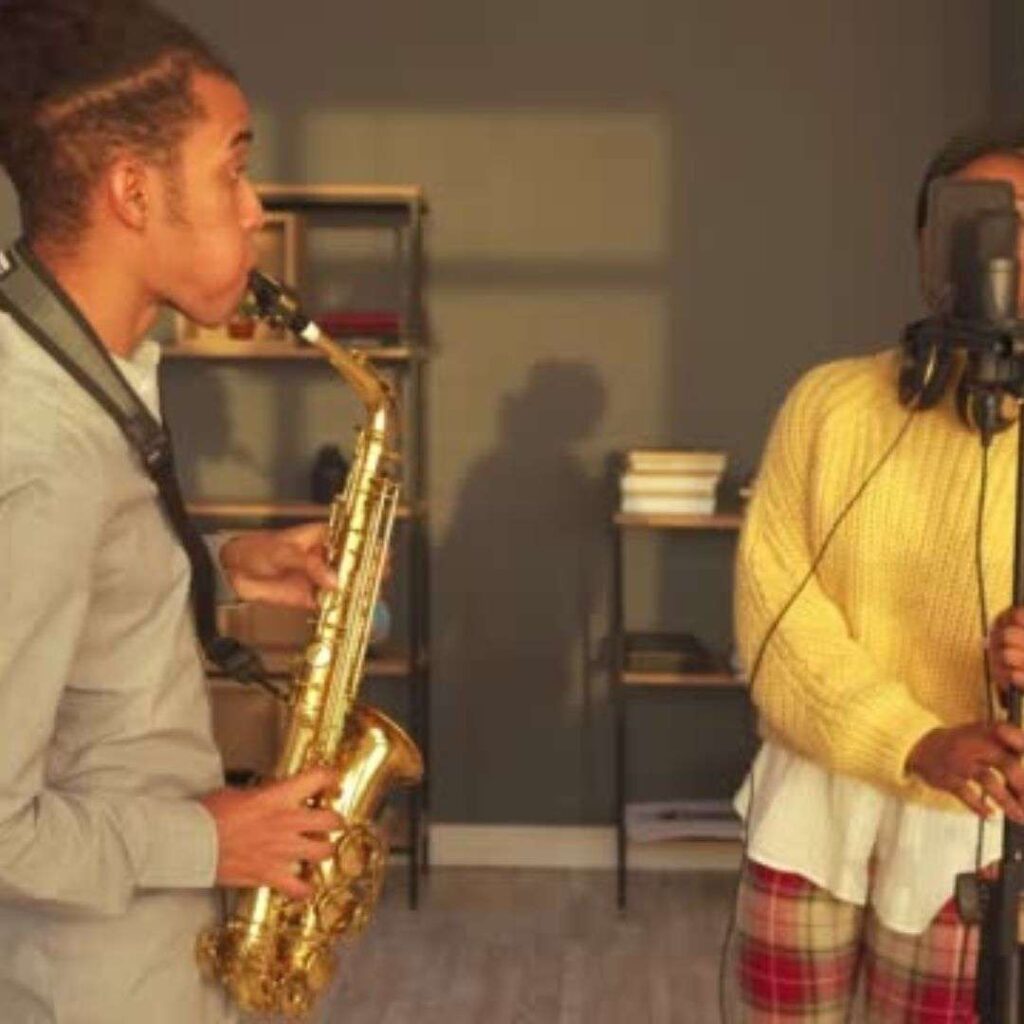
What It Costs to Hire a Saxophonist in Kuala Lumpur
There is no single number here, and any agency that quotes you a flat figure before asking about your event date, venue location and set length is guessing. What drives the cost is predictable though, and it breaks down the same way every time: the performer's fee, international flights, hotel nights, ground transport, a per diem for meals, and any local crew or backline (amplifier, microphone, DI box) the venue cannot supply. A corporate gala with a full live band and a saxophonist sitting in for two numbers costs differently than a solo saxophonist playing a three hour cocktail set with a backing track.
| Format | Typical set length | Best for | Main cost driver |
|---|---|---|---|
| Solo saxophonist with backing track | 45 to 90 minutes | Cocktail hours, product launches, lobby ambience | Artist fee and travel only |
| Saxophonist with DJ | 2 to 4 hours, rotating | Weddings, rooftop parties, brand nights | Two artists travelling, extra accommodation |
| Saxophonist with live band | 2 sets of 45 minutes | Galas, award dinners, large ballroom events | Full backline rider, more crew |
| Saxophonist for a brief guest appearance | 10 to 20 minutes | Entrance moments, award walk-ons | Fee weighted toward travel, not stage time |
If you are comparing this against other acts for the same event, our live band hire guide for Kuala Lumpur and DJ booking guide for Kuala Lumpur cover the same pricing logic for those formats, which helps when a planner is deciding between a sax and DJ combo versus a full band.
When to Book a Saxophonist in Kuala Lumpur
Book eight weeks out if the performer is flying in from outside Malaysia, and ideally twelve weeks out for November and December, which is peak corporate dinner and gala season in KL hotels. Chinese New Year, which falls in late January or February depending on the lunar calendar, is the second busy window and venues book out early. Ramadan shifts the market too: it moves roughly eleven days earlier each year, and during that month many corporate clients move evening events later or switch to iftar format, which changes set timing and sometimes cuts live entertainment altogether. If your event lands inside Ramadan, confirm with the venue whether live music is being scheduled at all that season.
Four weeks is the realistic minimum for an international act once you include visa processing, flight booking and rehearsal time with a backing track or local band. Anything under three weeks usually means paying a premium for rushed flights and limited availability.
What a Saxophone Set Actually Includes
Most clients booking a saxophonist in Kuala Lumpur want one of three things: ambient background music during arrivals or dinner, an energetic live element layered over a DJ set, or a featured guest spot with a house or live band. A solo set usually runs on a pre-produced backing track through the saxophonist's own in-ear monitor, which keeps the stage footprint small and means almost any venue type can host it. A saxophonist with DJ setup needs the DJ's own sound system plus a wireless microphone feed for the horn, and the two performers usually rehearse the transitions over a video call before travelling.
Repertoire matters more than people expect. Ask for a set list or genre breakdown before booking: a saxophonist built for deep house and Afrobeat sounds completely different from one built for jazz standards and ballads, and swapping styles on short notice rarely works well live.
Flights, Visas and Work Permits
Foreign performers working in Malaysia are not travelling on a tourist pass, even for a single night's performance. Malaysia requires approval from the foreign artist clearance process, commonly handled through what is referred to locally as PUSPAL clearance, along with a Professional Visit Pass arranged by the promoter, venue or booking agency, not the performer. This process typically needs the performer's passport details, a performance contract and the event date submitted in advance, and it varies in processing time, so confirm current timelines with your agency or Malaysia's immigration department rather than assuming a fixed number of days.
Build the travel chain backward from the event date. A rough working timeline looks like this, though every booking varies:
| Task | When to complete it |
|---|---|
| Confirm booking and contract | 8 to 12 weeks before event |
| Submit artist clearance and work pass documents | 6 to 8 weeks before event |
| Book flights and hotel | 4 to 6 weeks before event |
| Send technical rider to venue sound team | 3 to 4 weeks before event |
| Final set list and rehearsal call | 1 to 2 weeks before event |
Nationalities that enjoy visa-free short entry to Malaysia still generally need the performance-specific approval if they are being paid to perform, which catches a lot of first-time event planners off guard. Build this into your timeline rather than treating it as paperwork you can rush in the final week.
Alcohol, Dress Code and Local Norms
Kuala Lumpur is a cosmopolitan city and most hotel ballrooms, rooftop bars and international venues serve alcohol without restriction. But Malaysia is a Muslim-majority country, and some government-linked venues, certain conference centres and events with a strong local corporate or government guest list may restrict or ban alcohol service entirely. Ask the venue directly rather than assuming, because this also affects how late a set can run and sometimes what music is appropriate during specific hours.
Dress code is usually a non-issue for international performers, standard stage outfits are fine at hotel and corporate venues. Religious or government-affiliated venues may ask for more modest stagewear, and this is worth a two minute conversation with the client or venue coordinator before travel, not something to guess at on arrival.
Stage, Sound and Technical Rider
A saxophonist's technical rider is lighter than a full band's but still non-negotiable. At minimum the venue or your agency needs to supply a wireless microphone with a clip-on or handheld option suited to brass instruments, a DI box if the performer is running a backing track from a laptop or phone, a monitor wedge or in-ear system, and a stable power point near the performance area. For outdoor or marquee setups, covered power and a dry stage surface matter more than people think, Kuala Lumpur gets sudden heavy rain through most of the year and an exposed stage can shut a set down mid-song.
Send the rider to the venue's sound engineer at least three weeks ahead, not the week of the event. Venues that run their own in-house AV team usually handle this smoothly once they have the document, but if a venue has no dedicated sound engineer, budget for bringing in external audio equipment and crew as a line item in the quote.
Venue Types Across Kuala Lumpur
Kuala Lumpur offers a genuine range of venue types for live entertainment, and each one changes what a saxophone set can realistically do. Hotel ballrooms are the most common setting for galas and award dinners and usually come with in-house AV support, which simplifies the rider. Rooftop venues across the city skyline are popular for cocktail events and brand launches, and they suit a solo saxophonist or sax-and-DJ format better than a full band because of space and power constraints. Garden and poolside venues, often attached to hotels, work well for daytime or early evening corporate functions. Function rooms in office towers and convention spaces are common for product launches and conferences, where a short featured saxophone appearance often works better than a long set.
We are not going to name specific venues or guess at their capacities, sound restrictions or outdoor curfews here, because those details change and vary by property. Confirm noise curfews, load-in access and power capacity directly with your chosen venue before finalising a booking.
How We Build the Final Quote
A quote for an international saxophonist booking in Kuala Lumpur is assembled from five components, and a transparent agency should break these out line by line rather than handing you one bundled number. The artist fee covers the performance itself and rehearsal time. Flights are quoted at the time of booking since fares shift. Accommodation is usually one to two hotel nights depending on flight timing. A per diem covers meals and incidentals during travel days. And a local crew or backline line item covers any sound equipment the venue cannot provide in-house.
If you are also considering a live band or additional musicians for the same event, our musicians booking page walks through how we price multi-piece acts, and the same cost structure applies when you're combining a saxophonist with other performers on one bill. For a sense of how we vet and manage international acts end to end, see why clients book through us rather than direct.
The most expensive mistake: booking a saxophonist through a direct contact or overseas agency without confirming who is responsible for the Professional Visit Pass and artist clearance. If this falls through the gap between client and performer, the act can be denied entry or refused permission to perform on arrival, after flights and deposits are already paid. Always get this named as a specific responsibility, in writing, in the contract.
FAQ
How much does it cost to hire a saxophonist in Kuala Lumpur?
Cost depends on set length, format (solo, with DJ, or with band) and whether the performer is flying in internationally. The total is built from the artist fee plus flights, accommodation, a per diem and any local equipment rental. Ask any agency to break these out separately rather than quote one bundled figure, since flight costs alone can shift the total significantly depending on booking date.
How far in advance should I book a saxophonist for an event in Kuala Lumpur?
Six to eight weeks is a safe minimum for an international performer once you account for visa clearance, flight booking and rehearsal coordination. For November, December and Chinese New Year dates, book twelve weeks ahead since both venues and performers' calendars fill early. Under three weeks is possible but usually costs more due to rushed flights and limited artist availability.
Do foreign saxophonists need a visa to perform in Malaysia?
Yes. Performing for payment requires foreign artist clearance (commonly referred to as PUSPAL clearance) and a Professional Visit Pass, arranged by the promoter, venue or agency, not a standard tourist entry. Requirements and processing times vary, so confirm current rules with your agency or Malaysia's immigration authority well ahead of travel rather than assuming a tourist pass covers a paid performance.
Can a saxophonist perform where alcohol is not served?
Yes, a saxophone set works fine without alcohol service, it does not depend on a bar. Some government-linked or religious-affiliated venues in Kuala Lumpur restrict or prohibit alcohol, which may also affect event timing and appropriate music choices during certain hours. Confirm the venue's specific policy directly rather than assuming, since it varies by property and sometimes by event type.
What is the difference between booking a solo saxophonist and a saxophonist with a DJ?
A solo saxophonist typically plays over a pre-produced backing track and needs minimal equipment, suiting smaller spaces like rooftops or lobbies. A saxophonist with a DJ performs live over the DJ's mixed set, which needs rehearsed transitions, a wireless mic feed into the DJ's sound system, and generally runs longer, often two to four hours with rotating sets rather than one fixed 45 minute slot.
What equipment does the venue need to provide for a saxophonist?
At minimum: a wireless microphone suited to brass instruments, a DI box if a backing track is used, a monitor speaker or in-ear system, and reliable power near the stage area. Venues with in-house AV teams usually handle this once they receive the technical rider, typically sent three to four weeks before the event. Venues without dedicated sound staff may need external equipment rented as part of the booking.
Can a saxophonist play outdoors on a rooftop or garden venue in Kuala Lumpur?
Yes, outdoor sets are common on rooftops and garden venues across the city, but sudden heavy rain is frequent through most of the year, so covered power and a backup indoor plan are essential, not optional. Confirm with the venue what happens to the schedule if weather forces the set indoors, and make sure this contingency is agreed before the event date, not discussed on the day.
What should I ask before booking a saxophonist in Kuala Lumpur?
Ask for a set list or genre sample, confirmation of who handles visa and work pass paperwork, a full cost breakdown (fee, travel, accommodation, per diem, equipment), the technical rider, and a clear cancellation and weather contingency policy. If the act is part of a larger lineup, also check our magician booking guide for Kuala Lumpur for how we coordinate multiple acts on one event timeline.