Hire Belly Dancer in Bali: Cost, Permits and What to Check
Hiring a belly dancer in Bali usually means booking a solo performer or a small troupe for a wedding, villa party, beach club event or corporate launch, with sets running 15 to 30 minutes across one or two appearances. Bali differs from Gulf markets in two big ways: there is no alcohol restriction and dress expectations are relaxed, but performers still need the right visa category to work legally. Book 4 to 8 weeks out for peak season (June to September and the December to January holiday stretch). Fees depend on act size, season and whether travel and accommodation are billed separately.
Contents
- What a Belly Dancer Booking in Bali Actually Looks Like
- When to Book a Belly Dancer in Bali
- Visas, Work Permits and Local Rules for Performers
- Alcohol, Dress and Cultural Norms in Bali
- Technical Rider and Stage Requirements
- Venue Types: Beach Clubs, Villas, Ballrooms and Yachts
- How Pricing Is Built
- FAQ
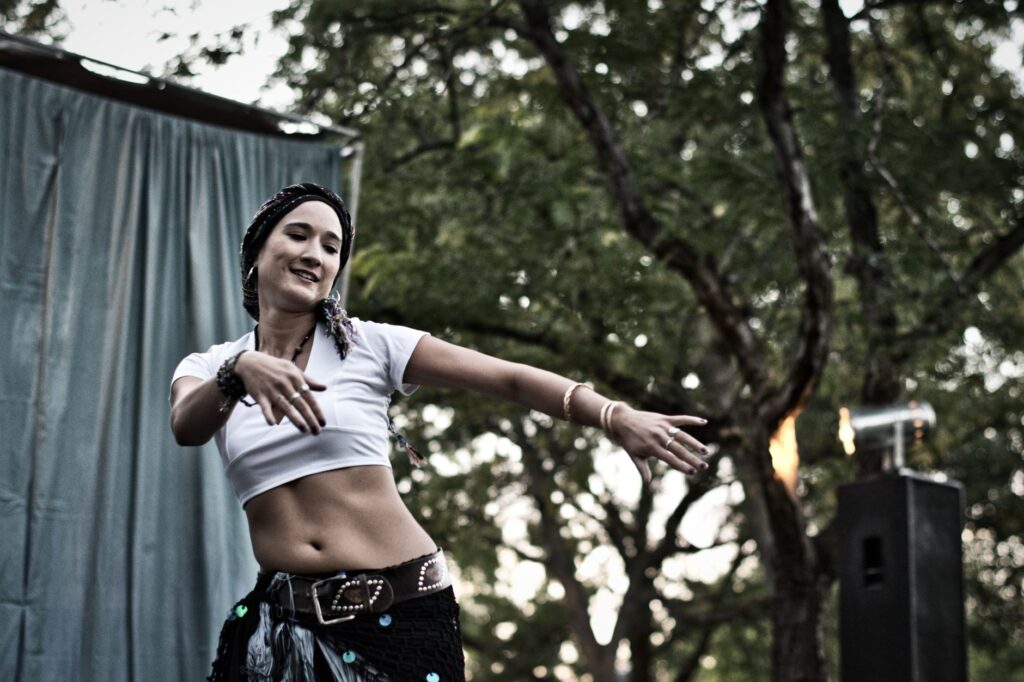
What a Belly Dancer Booking in Bali Actually Looks Like
Most bookings are one of three formats: a single performer doing two short sets around dinner service, a performer paired with live percussion or a DJ set, or a small troupe of two to four dancers for a bigger stage moment at a wedding reception or brand event. A standard set is 12 to 20 minutes. Clients often ask for a second, shorter set later in the evening rather than one long performance, because guest attention and photo opportunities peak twice, not once.
If you are planning a wedding, pair the dancer with a broader entertainment lineup rather than a standalone act. Our dance show booking page covers how agencies structure multi-act evenings, and the logic carries over to Bali events even though that page is written for Dubai and Singapore clients.
When to Book a Belly Dancer in Bali
Book 4 to 8 weeks ahead for most events. For peak wedding season (roughly June to September) and the year-end holiday window (mid-December through early January), push that to 8 to 12 weeks, because the same small pool of performers, musicians and crew is also being booked by other agencies and direct clients across the island. Villa weddings in Seminyak, Uluwatu and Canggu book out fastest during these windows.
Corporate events tied to conferences or incentive trips tend to be booked with less notice, often 2 to 4 weeks out, but that shortens your options for matching a specific style or costume theme, and it removes any buffer if a performer's travel gets delayed.
Visas, Work Permits and Local Rules for Performers
This is the part most clients underestimate. Indonesia treats paid performance work as employment, not tourism, which means a performer entering on a standard tourist visa or visa-free entry is technically not permitted to work for payment, even for a single evening. Foreign performers generally need a visa category that covers short-term work or business activity (commonly referenced as a B211A or equivalent business visa route), and in some cases a formal work permit sponsored by a local entity, depending on the length of stay and the nature of the event.
Indonesian immigration and manpower regulations change periodically, and enforcement varies by region and by how the event is structured. Do not rely on what worked for a previous booking two or three years ago. Confirm the current requirement with your booking agency and, where the event is large or corporate, with the venue's own compliance team before you commit to a lineup. This is one area where using an agency that handles the paperwork routinely is worth more than saving a small amount on fees.
Alcohol, Dress and Cultural Norms in Bali
Bali is predominantly Hindu, unlike the Gulf markets where alcohol service is tightly controlled or banned outright. Alcohol is widely available at hotels, beach clubs and villas, and there is no requirement to plan a dry event or a separate non-alcoholic bar setup. Dress norms for performers are also more relaxed than in Gulf cities: standard belly dance costuming is accepted at most hotel, villa and beach club venues without the modifications often required for conservative markets.
That said, some upscale hotel chains and any event held on or near temple grounds will have their own modesty expectations, and local staff will tell you quickly if something needs adjusting. If you have previously booked entertainment in Doha, Riyadh or Jeddah, read our notes on hiring a belly dancer in Doha or hiring a belly dancer in Riyadh for a sense of how different the compliance picture is there compared to Bali.
Technical Rider and Stage Requirements
A belly dancer's rider is lighter than a full band's, but it still needs confirming before the date, not on arrival. At minimum, expect the performer or agency to ask for a flat, non-slip performance surface of roughly 3 by 3 metres, a sound system capable of playing from a phone or USB with a clear monitor feed, and a private space to change that is not a shared guest bathroom.
- Flat, stable floor surface, ideally matte rather than high-gloss tile
- Audio input (Bluetooth, USB or aux) with a dedicated sound check slot before guests arrive
- Basic stage or spot lighting if the performance happens after dark outdoors
- A private changing area with a mirror and power outlet
- Clear access route from the changing area to the performance space, especially on multi-level villa properties
Beach and cliffside venues add a variable most clients forget: wind. Strong onshore wind affects veil work, props and even sound equipment, so confirm wind exposure at the actual time slot, not just the venue in general.
Venue Types: Beach Clubs, Villas, Hotel Ballrooms and Yachts
Bali's event venues fall into a few broad categories, each with a different set of practical constraints.
| Venue Type | Typical Constraint | What to Confirm |
|---|---|---|
| Beach clubs | Open-air, exposed to wind and tide times | Sound limits, power access, backup indoor space |
| Private villas | Variable floor surfaces, limited power points | Performance area size, generator or mains power, neighbour noise rules |
| Hotel ballrooms | Formal booking process, in-house AV | Whether outside performers are permitted, stage height, union or exclusivity clauses |
| Yachts and boats | Motion, limited space, safety gear | Deck space dimensions, weather contingency, performer safety briefing |
We do not name or guarantee specific venues or their current capacities here, because that detail changes and should always be confirmed directly with the venue or your event planner. If you are comparing Bali to a Gulf setup for a multi-city tour, our Dubai entertainment agency page covers how venue types differ there.
How Pricing Is Built
We are not going to quote a fixed number here, because the fee changes with act size, season, performance length and how far the performer has to travel to reach Bali. What matters is understanding the components, so you can compare quotes properly instead of comparing a single bottom-line figure that may or may not include the same things.
| Component | What It Covers | Who Usually Arranges It |
|---|---|---|
| Performance fee | The act itself, rehearsal time, costume | Agency or performer |
| Travel | Flights if performer is not Bali-based | Agency, billed separately |
| Accommodation | Hotel nights for touring performers | Client or agency, negotiated upfront |
| Per diem | Meals and local transport during stay | Agency, built into total quote |
| Local crew or sound hire | If venue cannot supply adequate sound or lighting | Agency sources locally, cost added to quote |
Ask every agency to break down the quote into these five lines. A quote that bundles everything into one number makes it hard to tell whether you are paying for a Bali-based performer or flying someone in from overseas, which changes both cost and visa complexity significantly.
The most expensive mistake: booking a performer without confirming their visa or work permit status, then having them held at immigration or refused entry to work the event. This is far more disruptive in Bali than simply rebooking a local act, because it also risks fines or complications for the event organiser or sponsoring entity. Always ask your agency, in writing, what visa category the performer is travelling on and who is responsible if that status is ever questioned.
If you want to see how we structure full event lineups rather than single acts, our dancers booking page and gallery show the range of formats we put together, and the why choose us page explains how we handle the compliance side of international bookings like this one.
FAQ
How much does it cost to hire a belly dancer in Bali?
Cost depends on whether the performer is Bali-based or flown in, the number of sets, troupe size and season. A single local performer costs less than a troupe flown in from another country, which adds flights, accommodation and per diem on top of the performance fee. Ask for an itemised quote rather than one lump sum so you can see exactly what is included.
Do performers need a visa to work in Bali?
Yes, generally. Entering Indonesia on a tourist visa or visa-free entry does not legally cover paid performance work. Performers typically need a business or short-term work visa category, and in some cases a sponsored work permit, depending on stay length and event type. Rules and enforcement change periodically, so confirm the current requirement with your agency before the booking is finalised.
How far in advance should I book a belly dancer for a Bali wedding?
Book 8 to 12 weeks ahead for peak wedding season, roughly June through September and the December to January holiday period. Outside peak season, 4 to 6 weeks is usually enough. Shorter notice is possible but limits your choice of performer and style, and leaves no buffer if travel or paperwork is delayed.
Is Bali different from Dubai or Doha for hiring a belly dancer?
Yes, mainly around alcohol and dress rules. Bali has no alcohol restrictions and relaxed dress expectations compared to Gulf cities, where events are often dry and costuming needs adjusting for local sensitivities. Visa and work permit requirements still apply in both markets, just under different legal frameworks, so neither location should be treated as paperwork-free.
What is included in a typical belly dancer show in Bali?
A standard booking includes one or two sets of 12 to 20 minutes each, the performer's costume and choreography, and often a short audience interaction segment. Props such as veils, swords or fire elements are sometimes available as add-ons and should be requested and confirmed with the agency in advance, since not every performer carries every prop style.
What stage or space does a belly dancer need?
At minimum, a flat, non-slip surface of roughly 3 by 3 metres, access to a sound system, basic lighting if performing after dark, and a private area to change. Outdoor beach or cliffside venues should also be checked for wind exposure at the actual performance time, since strong wind affects veil work and can disrupt sound equipment.
Can I combine a belly dancer with other entertainment acts in one event?
Yes, this is common for weddings and corporate events. Agencies typically build a lineup around the belly dance set rather than running it alone, pairing it with live musicians, a DJ transition or a broader dance show. This keeps the evening's energy moving and avoids a single long block of one performance style.