Hire a Belly Dancer in Bangkok: Cost, Permits and Rules
To hire a belly dancer in Bangkok you need to decide on set length, book at least four to six weeks out (longer in December and January), and budget for the performer's fee plus flights, hotel nights, per diem and a work permit if she is flying in from outside Thailand. A typical booking is a 15 to 20 minute show, one or two costume changes, and a wireless microphone or Bluetooth speaker setup confirmed with the venue in advance. Pricing is quoted per event once the agency knows your date, venue and headcount, not from a fixed list.
Table of Contents
- When to Book a Belly Dancer in Bangkok
- What a Typical Set Looks Like
- Visas and Work Permits for Foreign Performers in Thailand
- Alcohol, Dress and Local Etiquette
- Venue Types in Bangkok and What Each Needs
- Technical Rider: What the Venue Must Provide
- How Pricing Is Built
- The Most Expensive Mistake
- FAQ
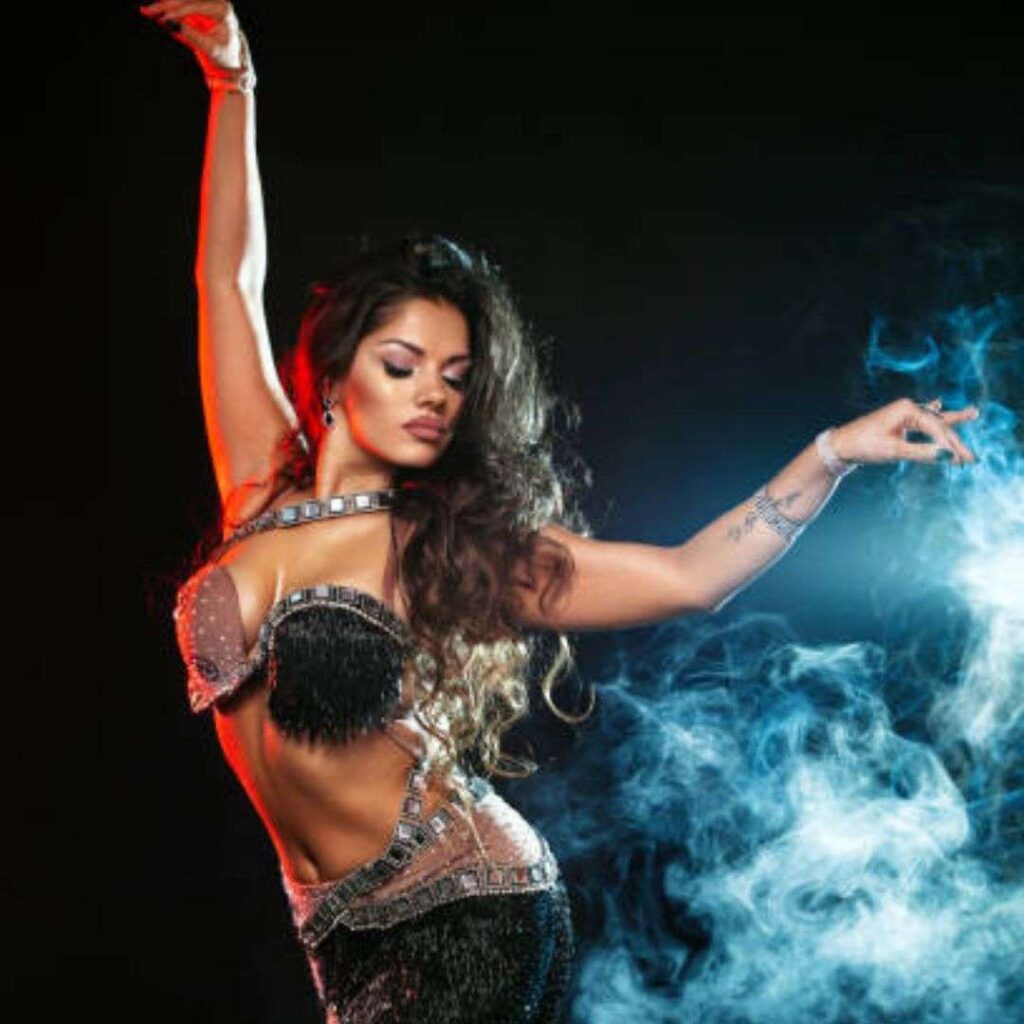
When to Book a Belly Dancer in Bangkok
Book four to six weeks ahead for a standard weekday corporate event, and eight to twelve weeks ahead if your date falls in November through February, which is Bangkok's cool season and its busiest stretch for galas, year end parties, incentive trips and international conferences. Chinese New Year and the week around Thai New Year (Songkran, mid April) also pull dancers and musicians fast, because hotels and event companies are booking the same small pool of visiting performers.
If you need a dancer with a specific style, a particular music genre, or someone used to a large ballroom stage rather than a small restaurant floor, flag that at the enquiry stage. Last minute requests (under two weeks) are possible but narrow your options to whoever happens to already be in Thailand or able to get a flight and a short stay permit sorted in time.
What a Typical Set Looks Like
A standard belly dance booking in Bangkok runs 15 to 20 minutes across two or three songs, often opening with a classical or orchestral number, moving into a faster drum solo, and closing with an upbeat finale that invites a little audience interaction. Costume changes between songs are common if the budget allows a second outfit. Some acts add a short fusion segment, fan veil or sword balancing, which should be mentioned when you book so the stage and flooring can be checked for it.
For longer events, two sets of 15 to 20 minutes with a gap between them usually works better than one long 40 minute performance. It keeps energy high and gives the dancer time to change and rehydrate, which matters in Bangkok's heat and humidity if any part of the show is outdoors.
Visas and Work Permits for Foreign Performers in Thailand
Any performer entering Thailand to work, including a paid stage performance, is technically working in the country and Thai law treats this differently from tourism. Foreign performers generally need a Non-Immigrant B visa and a work permit issued through the Thai Ministry of Labour before performing, arranged through a local sponsor or the booking agency. This is separate from, and stricter than, a standard tourist entry.
In practice, many short single-event bookings are handled by agencies who either hold the right local arrangements already or build the permit lead time into the quote. Processing timelines and fees change, so confirm current requirements with your agency and, for anything beyond a single casual appearance, with Thai immigration directly rather than relying on what worked for a previous event. Do not assume a tourist visa covers a paid performance, even an unpaid "favour" performance at a ticketed event can raise questions if it is noticed.
If the dancer is already resident in Thailand or performing as part of a registered local entertainment company, the paperwork is usually lighter. This is one reason it is worth asking upfront whether the performer you are booking is flying in specifically for your event or already based in Bangkok.
Alcohol, Dress and Local Etiquette
Thailand restricts alcohol sales to set hours (broadly late morning to mid afternoon, and early evening to midnight) and bans sales entirely on certain Buddhist holidays and election days. If your event includes an open bar running alongside the performance, check the date against the Thai alcohol sale calendar before you confirm, since this affects bar service, not the performance itself, but it changes the mood and timing of the evening.
Bangkok audiences, including corporate and expatriate crowds, are generally relaxed about belly dance as a performance art, and it reads as entertainment rather than anything religiously or culturally sensitive, which is a different conversation from booking the same act in parts of the Gulf. Costume choices that would need adjusting for a conservative Gulf audience are rarely an issue here. That said, if your event is inside a Buddhist temple complex, a strictly traditional Thai wedding ceremony, or a government venue, ask the agency to confirm costume and content with the organiser, because house rules vary by venue management, not by national law.
Venue Types in Bangkok and What Each Needs
Bangkok bookings fall into a handful of recurring venue types, and each one changes what the dancer and the agency need to plan around.
- Hotel ballrooms, common for galas, weddings and conference closing nights. Usually the easiest setup: existing stage or flat floor, house sound system, and a green room nearby. Confirm stage dimensions and whether the in-house AV team can run a wireless mic feed.
- Rooftop and sky bar venues, popular for corporate parties and product launches. Space is often tighter and floors can include glass or uneven surfaces, so flag this before booking anything involving floor work, veils in wind, or bare feet.
- River venues and private boats on the Chao Phraya, used for dinner cruises and private charters. Performance space on a moving boat is limited and can be unstable; the dancer needs to know boat size and deck surface in advance, and sound usually has to be self-contained rather than relying on the boat's system.
- Private villas and restaurant function rooms, common for smaller private parties. These often lack a dedicated stage, so the agency needs floor dimensions and ceiling height, especially if there is any prop or fire element.
None of this requires naming a specific property when you enquire, but the more detail you give about the actual room or deck, the more accurate the quote and the technical plan will be.
Technical Rider: What the Venue Must Provide
A basic technical rider for a Bangkok belly dance booking covers five things: a clear performance area (roughly three by three metres minimum, more for group numbers), a flat and non-slip floor, a wireless handheld or headset microphone input if the act includes vocal cues or spoken introductions, a music playback connection (usually a simple 3.5mm or Bluetooth link to the house sound system), and a private space to change costume near the stage. Lighting is a bonus rather than a requirement for most corporate bookings, but if you want a lighting cue (spotlight, colour wash) tell the agency during booking, not on the day.
If your venue cannot confirm sound or a changing area, the agency can usually bring a self-contained speaker and a pop-up screen, but this is an added line item, so it is worth asking the venue directly rather than assuming.
How Pricing Is Built
There is no fixed rate card for a Bangkok belly dance booking because the final figure depends on where the performer is travelling from, how long the set runs, and what local support the venue needs. What stays consistent is the list of components that make up every quote.
| Cost Component | What It Covers | What Changes the Figure |
|---|---|---|
| Performer fee | The set itself, rehearsal time, costume | Set length, number of costume changes, experience level |
| International flights | If the dancer is not already based in Thailand | Origin city, how far ahead you book, class of travel agreed |
| Accommodation | Hotel nights for the performer and any accompanying crew | Number of nights, hotel standard, arrival buffer day |
| Per diem | Daily allowance for meals and local costs while in Bangkok | Length of stay |
| Work permit and visa processing | Thai Ministry of Labour permit, Non-Immigrant B visa handling | Processing speed required, documentation already on file |
| Local ground transport | Airport transfers, venue transfers | Distance, number of trips, whether a crew van is needed |
| Local musician or drummer add-on | Optional live percussion or oud accompaniment | Whether live music is requested over recorded tracks |
| Agency coordination fee | Booking, rider management, on-site point of contact | Usually built into the overall quote rather than itemised separately |
Ask for a written quote that breaks these out line by line, because a single bundled number makes it hard to see what you are paying for if you later want to trim the booking, for example by using a dancer already based in Bangkok to remove the flight and permit cost entirely. For comparison, the same cost structure applies when you hire a belly dancer in Doha or hire a belly dancer in Riyadh, though the visa process and local etiquette rules differ sharply between Thailand and the Gulf.
The most expensive mistake: booking a performer without confirming she has the correct Thai work permit, then having the act cancelled or stopped by venue security or immigration on the day. This is more common than people expect with informal, direct-to-performer bookings found through social media, where no one has handled the paperwork. The fix costs a lot more than the fee you were trying to save: a last minute replacement, a refund argument with your venue, and in some cases a fine. Book through an agency that confirms permit status in writing before you pay a deposit, not after.
Belly Dancer vs Other Bangkok Entertainment Options
Belly dance works well as one element inside a wider evening rather than the only act, particularly for corporate galas and weddings with an international guest list. If you are weighing it against other options, a dance show with a larger cast gives more stage presence for a big ballroom, while live musicians can accompany the dancer directly for a more premium, less recorded-track feel. Many Bangkok bookings combine a solo belly dancer set with a DJ or house band either side of it, rather than running the dancer as the entire programme.
FAQ
How much does it cost to hire a belly dancer in Bangkok?
There is no single fixed price because it depends on the performer's fee, whether she is flying in from abroad (adding flights, hotel and per diem), set length, and whether a work permit needs processing. Request a written quote once you confirm your date, venue and desired set length; a bundled per-event price is standard, and any reputable agency will break the components down if you ask.
Do belly dancers need a visa or work permit to perform in Thailand?
Yes, in general a foreign performer working in Thailand needs a Non-Immigrant B visa and a work permit from the Thai Ministry of Labour before performing, because a paid stage performance counts as work under Thai law. Tourist entry does not cover this. Requirements and processing times change, so confirm current rules with your agency and, for anything beyond a single informal appearance, with Thai immigration directly.
How far in advance should I book a belly dancer in Bangkok?
Four to six weeks is a safe window for most dates. If your event falls between November and February, which is Bangkok's peak season for galas and corporate events, or around Chinese New Year or Songkran, book eight to twelve weeks ahead, since the available pool of touring performers gets booked up for those dates fastest.
How long is a typical belly dance performance?
Most bookings run 15 to 20 minutes across two or three songs, sometimes with a costume change between numbers. For larger events, two shorter sets with a gap between them, rather than one long continuous performance, keeps the energy higher and gives the dancer recovery time, especially outdoors in Bangkok's heat.
Is a belly dance performance appropriate for a Thai wedding or corporate event?
Belly dance reads as entertainment in Bangkok rather than as a culturally or religiously sensitive act, and it is a common choice for corporate parties, galas and international weddings. If your event is inside a temple complex, a formal Thai ceremony, or a government venue, check costume and content expectations with the venue management first, since house rules vary by location rather than by national law.
Does the venue provide sound equipment for the dancer?
Most hotel ballrooms and established event venues in Bangkok have a house sound system that can take a simple audio input or Bluetooth connection, and this should be confirmed when you book. Smaller venues, rooftops and private boats often cannot, so the agency may bring a self-contained speaker, which is usually an added cost worth asking about upfront.
Can a belly dancer perform on a boat or yacht on the Chao Phraya river?
Yes, river dinner cruises and private boat charters are a common Bangkok booking, but performance space on a moving deck is limited and the surface can be unstable. Confirm boat size, deck surface and available power before booking, and expect the dancer to bring a self-contained sound setup rather than relying on the boat's system.
Can I book a belly dancer with live musicians instead of recorded music?
Yes, a live drummer or oud player can accompany the dancer as an add-on, and this is a popular upgrade for premium events. It costs more than a recorded track set because you are booking an additional performer with their own travel and fee, so mention it at enquiry stage rather than adding it once the quote is already set.
For a full view of how we build international entertainment bookings, including dancers, musicians and full stage shows, see our approach to booking entertainment abroad or browse past work in the gallery. If your event is in the Gulf rather than Thailand, our guides to booking in Jeddah cover the different visa and etiquette rules that apply there.
See also: Hire LED Dancers in Bangkok: Cost, Process and Rules.