Hire a DJ in Riyadh: Cost, Permits and What to Check First
Hiring a DJ in Riyadh means booking an international or regional performer through an agency that arranges the event permit, visa sponsorship, flights, accommodation and technical rider, because independent walk-in bookings are not how this market works. Budget for the artist fee plus travel, local crew and equipment, book at least 6 to 8 weeks ahead (longer during Riyadh Season), and confirm early whether your event license covers live music and mixed-gender attendance. Alcohol is not permitted at any event in Saudi Arabia, regardless of venue type or who is hosting.
Contents
- What Hiring a DJ in Riyadh Actually Includes
- Best Time to Hire a DJ in Riyadh
- How Pricing Is Built
- Visas, Work Permits and the GEA Event License
- Alcohol, Dress Code and Mixed-Gender Rules
- Technical Rider and Stage Requirements
- Venue Types in Riyadh
- The Mistake That Costs the Most
- How to Book: Process and Timeline
- FAQ
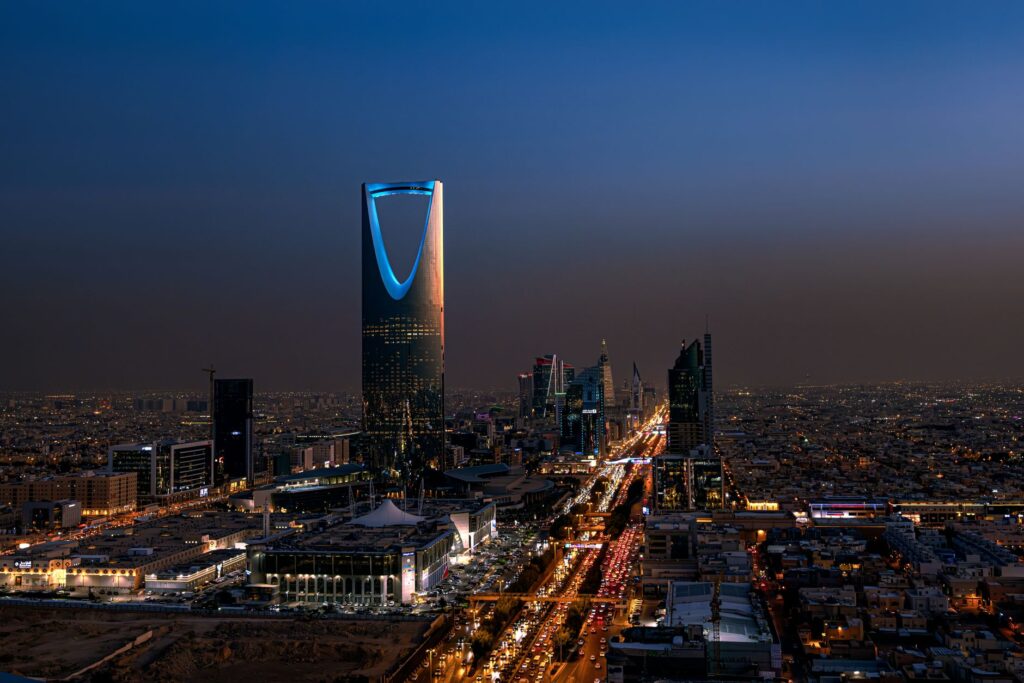
What Hiring a DJ in Riyadh Actually Includes
A booked DJ in Riyadh is rarely just the person behind the decks. The fee you agree with an agency typically covers the artist's performance, their flights and hotel, a local technical rider (or the cost of sourcing one locally), ground transport, per diem while on the ground, and the agency's work of liaising with the venue or the government event license holder. For a private corporate event or a hotel gala, this is a contained, manageable process. For a public ticketed event, the licensing layer gets heavier because the General Entertainment Authority (GEA), the body formed in 2016 to regulate commercial entertainment in Saudi Arabia, has to approve the event itself before any performer is confirmed.
Clients sometimes assume hiring a DJ in Riyadh is the same exercise as hiring one in Dubai. It is not. The regulatory layer is heavier, the cultural expectations are different, and the venue options, while growing fast, are a smaller pool than you will find in the UAE. If your event could sit in either city, our entertainment agency in Dubai page is worth comparing against this one before you commit to a location.
Best Time to Hire a DJ in Riyadh
The single biggest factor in availability and lead time is Riyadh Season, the GEA-run entertainment programme that has run annually since 2019, typically from autumn through to spring. During that window, international touring artists, A-list DJs and major production crews are in heavy demand across the city, hotel calendars fill up, and flight and hotel costs for travelling crews rise with everyone else's. If your event falls inside that period, book your artist earlier than you otherwise would, ideally 10 to 12 weeks out rather than 6 to 8.
Outside Riyadh Season, the market is quieter and more flexible. Summer (roughly June to August) sees fewer public events because of the heat, which makes it a reasonable window for indoor private and corporate bookings at better rates. Ramadan is its own case: most entertainment bookings pause entirely during the month, and events resume once Eid celebrations are over. Always confirm the Hijri calendar dates for the year you are booking, since they shift annually against the Gregorian calendar.
How Pricing Is Built
We are not going to quote a flat day rate here, because it genuinely varies by artist tier, event type, season and whether the event needs a public GEA license. What we can tell you is what makes up the number, so you can read a quote properly when one lands in your inbox.
| Cost component | What drives the size of it | Who typically arranges it |
|---|---|---|
| Artist fee | Reputation, booking volume for the dates, set length, whether it's a solo DJ or a DJ plus live elements | Agency |
| International flights | Origin city, number of crew travelling, class of travel agreed in the rider | Agency, billed to client |
| Accommodation | Hotel category, number of nights including travel days either side | Agency or client, depending on contract |
| Ground transport | Airport transfers, venue transfers, whether a dedicated driver is required | Agency or local production partner |
| Local crew and equipment | Sound system spec, lighting, LED screens, backline if any live instruments are added | Venue or hired local production company |
| Event permit (GEA) | Only applies to public or ticketed events, not private or closed corporate functions | Event organiser or venue, not the artist |
| Visa sponsorship | Entry type required, number of travelling crew | Agency or host organisation |
A useful rule: for a private event inside a hotel or compound, the permit column often disappears entirely, which is why private bookings are usually faster and simpler to arrange than anything open to the public.
Visas, Work Permits and the GEA Event License
International performers entering Saudi Arabia to work need an entry route that permits paid performance, not a basic tourist e-visa. Depending on the event and the artist's nationality, this is arranged as a business visit visa tied to a sponsoring entity, or through an event-specific permit coordinated with the event organiser. Rules on this have been loosening steadily since the entertainment sector opened up from 2016 onward, but they still change, so confirm the current entry route for the artist's specific passport with your agency before announcing any date publicly.
Separately, any public or ticketed entertainment event needs a GEA event license. This covers the content of the show, including music, and the venue's suitability for the audience size. Private events, corporate parties, and weddings inside licensed hotels generally do not need this layer because the venue's own operating license covers closed, invite-only functions. If you are unsure which category your event falls into, ask your venue's events manager directly, they deal with this distinction constantly and will know immediately.
Alcohol, Dress Code and Mixed-Gender Rules
Saudi Arabia enforces a nationwide ban on alcohol, with no exception for private events, international guests, or five-star venues. Any entertainment booking that assumes a bar setup or alcohol-driven atmosphere, the way you might plan a night out in Dubai, needs to be rethought from the ground up. This affects everything from event timing to how a DJ builds energy in a set without that element in the room.
Dress codes have relaxed considerably over the past several years but conservative dress is still expected at most venues, and DJs, dancers and any visiting performers should be briefed on wardrobe before travel rather than left to guess. Mixed-gender events are now permitted at many Riyadh venues, a major change from a decade ago, but it is not universal, and some venues or event types still run gender-segregated sessions. Confirm this with the venue directly for your specific date and event type, do not assume based on what you have read about Saudi Arabia generally or about a different city.
Technical Rider and Stage Requirements
The technical rider is where good bookings go wrong when nobody checks it against the venue early. A touring DJ's rider will specify sound system output, DJ booth layout (CDJs, mixer model, monitor placement), lighting, and often a minimum stage or booth dimension. Hotel ballrooms in Riyadh are generally well equipped for this, since most have hosted international acts before. Outdoor or converted venues, desert sites, rooftop spaces, private compounds, are a different story: power supply, weather protection for equipment, and sound output limits (some residential-adjacent venues cap decibel levels after certain hours) all need to be confirmed with the site, not assumed from a brochure photo.
Our agency reviews the rider against the venue's actual specification before confirming any date, and flags gaps (usually power capacity or booth size) back to the client early enough to fix them without a last-minute scramble.
Venue Types in Riyadh
Riyadh's entertainment venue landscape has expanded quickly but still falls into a few recognisable categories, each with its own constraints:
- Hotel ballrooms and function spaces: the most reliable for technical setup, permitting, and alcohol-free bar service. Best for corporate galas, product launches, and private celebrations.
- Private compounds and residences: common for weddings and closed social events, with fewer licensing hurdles but more variable power and sound infrastructure.
- Desert and open-air sites: used for larger seasonal or branded events, typically requiring a dedicated production company for power, staging and weather contingency.
- Rooftop and lounge venues: growing in number in Riyadh's newer hospitality developments, generally smaller capacity and stricter noise curfews.
We are deliberately not naming specific properties here, because capacity, licensing status and availability change venue by venue and year by year. Confirm current details directly with the venue or your event organiser before locking a date.
The most expensive mistake: booking the artist before confirming the event's license category and the venue's alcohol-free, gender and sound-curfew policies. Clients who do this backwards sometimes end up rebooking flights, renegotiating the rider, or in the worst cases cancelling a confirmed artist days before the date because the venue or the permit could not support the event as originally pitched. Confirm the venue and permit type first. Book the artist second.
How to Book: Process and Timeline
| Stage | What happens | Typical lead time |
|---|---|---|
| Initial brief | Event type, date, venue, audience size, budget range confirmed | Day 1 |
| Artist shortlist and rider review | Agency proposes options matched to venue capacity and technical setup | Within a few days |
| Contract and visa process starts | Deposit paid, visa or entry route confirmed for artist's passport | 4 to 8 weeks before the event, more during Riyadh Season |
| Permit confirmation (public events only) | Organiser or venue secures GEA approval | Varies by event scale, confirm with organiser early |
| Travel and technical lock | Flights booked, final rider confirmed with venue's production team | 2 to 3 weeks before |
| Show day | Artist and crew arrive, soundcheck, performance | Day of event |
If your event will include additional acts alongside the DJ, for example a live band set or a dance show as part of the same production, it is worth confirming that lineup early too, since adding performers later in the process can affect both the technical rider and the permit scope.
FAQ
How much does it cost to hire a DJ in Riyadh?
Cost depends on artist tier, event type, season and whether a public GEA permit is required. It is built from the artist fee plus flights, accommodation, local crew, equipment and, for public events, licensing costs. Private corporate or hotel events are generally cheaper to produce than ticketed public shows because they skip the permit layer. Ask any agency for a line-item quote rather than a flat number.
Do international DJs need a visa to perform in Riyadh?
Yes. A standard tourist e-visa does not cover paid performance work. International DJs need an entry route that permits work, typically a business visit visa tied to a sponsoring entity or an event-specific permit coordinated through the organiser. The exact route depends on the artist's passport and the event type, so this should be confirmed well before the booking date is finalised.
Can alcohol be served at a DJ event in Riyadh?
No. Saudi Arabia has a nationwide ban on alcohol with no exception for private events, international guests, or five-star hotel venues. Any event plan, including DJ set design and atmosphere, needs to be built around this fact rather than adapted from an alcohol-driven event format used elsewhere in the region.
When is the best time to book a DJ in Riyadh?
Outside Riyadh Season (roughly autumn through spring) and outside Ramadan, availability is better and lead times shorter, typically 6 to 8 weeks. During Riyadh Season, demand for international DJs and production crews rises sharply across the city, so book 10 to 12 weeks ahead if your event falls in that window. Always check Ramadan dates for your booking year against the Gregorian calendar, since bookings generally pause entirely that month.
Can a female DJ perform in Riyadh?
Yes, female international and regional DJs perform in Riyadh at many venues, and mixed-gender events are now permitted at a growing number of locations. This is not universal across every venue or event type, so confirm the specific event's format with the venue directly rather than assuming based on general coverage of Saudi Arabia's reforms.
Do I need a government permit to host a DJ event in Riyadh?
Only if the event is public or ticketed. Those require a General Entertainment Authority (GEA) license covering the event's content and venue suitability. Private, invite-only events inside a licensed hotel or private venue generally do not need a separate permit because the venue's own operating license covers closed functions. Confirm which category applies with your venue's events team.
What equipment does the venue need to provide for a DJ?
This depends on the artist's technical rider, which usually specifies sound system output, DJ booth equipment (CDJs, mixer model), lighting and sometimes minimum booth dimensions. Hotel ballrooms in Riyadh are generally well equipped for international acts. Outdoor, desert or converted venues need closer checking for power capacity, weather protection and any local noise curfews before a date is confirmed.
Is hiring a DJ in Riyadh different from hiring one in Dubai?
Yes, meaningfully. Riyadh has a heavier licensing layer for public events through the GEA, a nationwide alcohol ban with no exceptions, and a smaller pool of established international-standard venues, though that is expanding quickly. Dubai's market is more mature and permissive by comparison. If your event could work in either city, compare both markets with your agency before fixing the location, since the budget and timeline can differ considerably.
For events that need more than one act, or a full production built around music, dance and technical staging, our why choose us page covers how we structure multi-act bookings across the region, and our live musicians page is worth a look if a DJ set alone is not quite the format your event needs.