Hire Live Band in Jeddah: Cost, Visas and What to Book
Hiring a live band in Jeddah for a wedding, corporate launch or private celebration usually involves a performance fee plus flights, hotel nights, per diem and local crew hire, all built around a visa or entertainment permit that needs processing time. A typical international band is four to six pieces, plays two sets of around 45 minutes each, and needs eight to twelve weeks of lead time once you factor in Saudi entertainment licensing. Alcohol is not served at any event nationwide, and stagewear should lean conservative. Confirm final numbers and permit requirements with your agency and the venue before you sign anything.
Contents
- What Hiring a Live Band in Jeddah Actually Includes
- Live Band Hire in Jeddah: Pricing Breakdown
- When to Book a Live Band in Jeddah
- Visas, Work Permits and Entertainment Licensing
- Alcohol, Dress Code and Local Performance Rules
- Technical Rider and Stage Requirements
- Venue Types in Jeddah
- How We Build Your Quote
- FAQ
What Hiring a Live Band in Jeddah Actually Includes
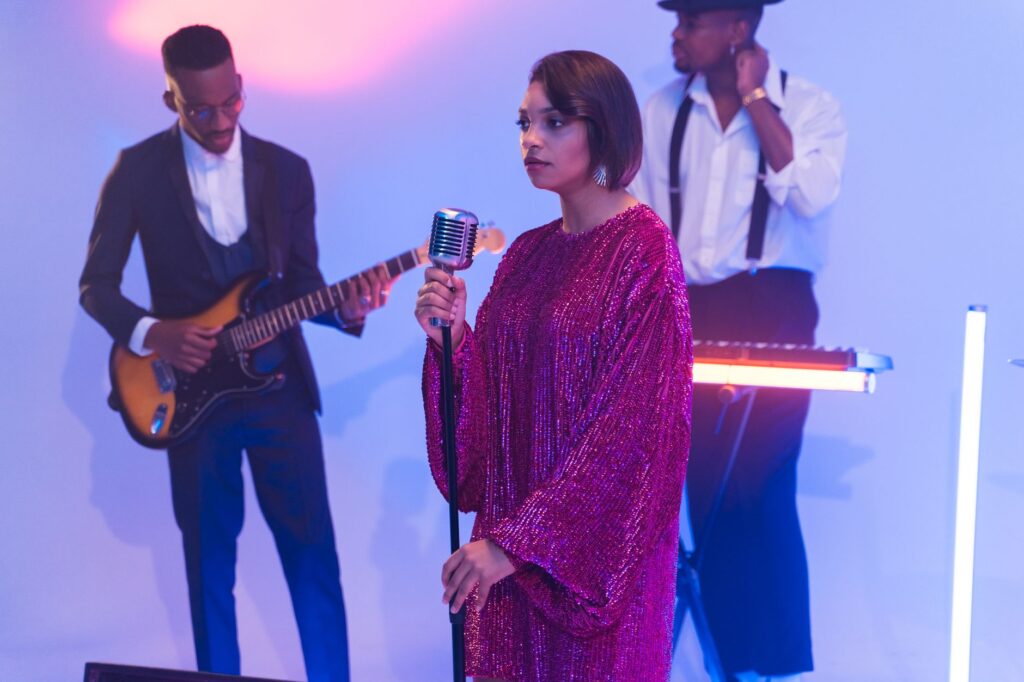
A standard booking is not just musicians on a stage. It is a package that covers the performers, their travel, a sound engineer, backline or backline rental, and the paperwork that gets them through Saudi immigration legally. Bands for this market typically run four to eight members: vocalist, keys, guitar, bass, drums, with horns or a second vocalist added for larger budgets. Most clients book two sets of 40 to 50 minutes with a break, plus an optional MC or walk-in set during guest arrival.
If you want a fuller lineup with dancers or a specialty act alongside the band, our dance show acts and international musicians roster are built to slot into the same stage plan, same rider, same travel window, which keeps logistics and permit applications in one file instead of three.
Live Band Hire in Jeddah: Pricing Breakdown
We do not quote fixed prices on this page because band size, nationality mix, flight routing and event date all move the number. What we can tell you is exactly what every quote is built from, so you know where your money goes and what to negotiate.
| Cost component | What it covers | What changes the price |
|---|---|---|
| Performance fee | Band's artistic fee for the agreed number of sets | Band size, genre specialty, performer profile, repertoire customisation |
| Flights | Return airfare for every performer and crew member | Home market of the band, seat class, how far in advance you book |
| Accommodation | Hotel nights for arrival, rehearsal and event day | Hotel category, number of nights, whether rehearsal is on site |
| Per diem | Daily allowance for meals and incidentals | Length of stay, standard agency rate for the market |
| Local crew and backline | Sound engineer, instrument rental or shipping, lighting | Venue's existing AV, whether gear ships in or is sourced locally |
| Visa and permit processing | Entertainment visa, GEA licensing where required, sponsor paperwork | Public vs private event, how far ahead you apply |
| Agency coordination | Booking, contracting, on ground management, rider negotiation | Complexity of the event, number of acts bundled together |
Ask for a line item breakdown, not a single number. A vague all-in fee is how clients end up disputing what was actually included once the band lands.
When to Book a Live Band in Jeddah
Book eight to twelve weeks out as a baseline, and push to sixteen weeks if your date falls during Jeddah Season or another citywide entertainment program, when venues and international acts are booked out early. Confirm current program dates directly with the organiser since they shift year to year and are not fixed on a recurring calendar.
Two other timing factors matter more here than in most markets. First, Ramadan: the month shifts each year on the lunar calendar, and live entertainment bookings during it either pause entirely or move to late evening after iftar, so check the Ramadan window against your event date before you lock anything in. Second, outdoor and beach venues along the Red Sea coast are far more comfortable October through March than during peak summer heat, which affects both guest experience and equipment performance outdoors.
Visas, Work Permits and Entertainment Licensing
Performers cannot simply fly in on a tourist or standard visitor entry and play a paid show. Saudi Arabia requires a work-appropriate entry for performing, usually arranged through an event-specific permit or entertainment visa sponsored by the organiser, venue or a licensed local partner. Public and ticketed events generally also require licensing through the General Entertainment Authority (GEA), while private events such as weddings sit under a lighter but still formal process.
Processing commonly takes four to eight weeks depending on nationality mix and how complete the paperwork is on first submission. Instruments and professional audio gear crossing the border may need a customs declaration or temporary import documentation, particularly for anything shipped rather than carried as checked baggage. Rules in this sector have changed repeatedly since the entertainment market opened up from 2019 onward, so always confirm the current requirement with your agency and, where relevant, the Saudi mission handling the visa, rather than relying on what applied last year.
Alcohol, Dress Code and Local Performance Rules
Alcohol is prohibited at every venue in Saudi Arabia, private or public, with no exception for international guests or hotel properties. This changes how a band should plan energy and pacing: sets built around a bar-driven crowd arc need reworking, since the room's energy comes from the programme itself rather than a bar crowd loosening up over the night.
Dress code for performers should be smart and conservative: no low necklines, no excessive exposure, and stagewear choices should be discussed with the agency ahead of time rather than assumed. Jeddah is generally regarded as more relaxed than Riyadh on mixed-gender audiences and general social norms, a shift that has continued since 2018, but it is still considerably more conservative than Dubai. Confirm expectations with the venue and the client directly rather than carrying over assumptions from a Gulf market you have worked in before.
Technical Rider and Stage Requirements
A standard rider for a six piece band covers stage footprint, power draw, monitor count, a front of house mix position, and a soundcheck slot of 45 to 60 minutes before guest arrival. Two things catch people out specifically in Jeddah. Power at outdoor, beach or desert sites is frequently generator fed rather than mains, so confirm voltage stability and whether a backup generator is included, since a drop mid set takes down the whole PA. Second, load in access at beach, marina and desert locations is often slower than a standard ballroom, with sand, tide timing or distance from the road adding real time to the schedule, so build in buffer rather than scheduling load in back to back with soundcheck.
Venue Types in Jeddah
Jeddah's event scene runs across four broad venue categories, and the band's setup needs to match the category rather than use a one size fits all rider.
- Hotel ballrooms: built in AV and stable power make this the easiest logistics, fastest load in, and the most predictable soundcheck window.
- Beach and corniche venues: open air along the Red Sea coast, strong visual impact, but wind affects vocal mics and PA throw, and noise curfews near residential areas can cut an evening set shorter than planned.
- Desert venues: outside the city, usually generator powered, with longer transport and setup time and ground conditions that need confirming for staging and truss weight.
- Yachts and marina events: tight space and weight limits favour a trio or small four piece over a full band, and sound carries over water further than performers expect, which can trigger marina noise restrictions.
We do not book into venues sight unseen. Confirm capacity, power, noise rules and load in access directly with the venue or the event's DMC before the rider is finalised, and ask to see photos of the actual stage or event space rather than the venue's generic marketing shots.
The most expensive mistake: booking the band, the venue and the date before the entertainment visa or GEA permit application is submitted. Processing routinely takes four to eight weeks, and if it stalls, the realistic options are a last minute flight change, a different performer who already holds valid documentation, or cancellation with the band's fee still owed under contract. Submit the permit application the same week you confirm the booking, not after.
How We Build Your Quote
We start with your event brief: date, venue type, guest count and rough budget band. From there we match band size and genre to the event, flag the Ramadan and Jeddah Season calendar against your date, and open the visa and permit application in parallel rather than after the contract is signed. You get a line item quote matching the table above, a contract, and a rider for your venue to sign off on power and stage access. The band and sound engineer fly in with a day's buffer before the event for rehearsal and soundcheck. If you want to see how we run this process in a comparable Gulf market, our Dubai entertainment agency page covers the same booking model, and our why choose us page covers how we handle logistics and permits across markets generally.
FAQ
How much does it cost to hire a live band in Jeddah?
There is no fixed figure because band size, nationality, flight routing and event date all move the total. A quote is built from a performance fee, flights, accommodation, per diem, local crew or backline, and visa or permit processing. Ask for a line item breakdown rather than a single all-in number so you know exactly what is and is not included.
Do performers need a visa to perform in Jeddah?
Yes. A tourist or standard visitor entry is not sufficient for paid performance work. Performers need an event specific entertainment visa or work permit, usually sponsored by the organiser, venue or a licensed local partner, and public or ticketed events often also require General Entertainment Authority (GEA) licensing. Processing commonly takes four to eight weeks, so this needs to start early.
Is alcohol served at events in Jeddah, and does that affect the band?
No, alcohol is prohibited at every venue in Saudi Arabia, private or public, with no exceptions. This changes how a set is paced, since the room's energy builds from the performance itself rather than a bar driven crowd. Bands booked for Jeddah should plan a programme that carries the night without relying on alcohol fuelled crowd dynamics.
How far in advance should I book a live band in Jeddah?
Eight to twelve weeks is a reasonable baseline once visa and permit processing is factored in. Push to sixteen weeks if your date falls during Jeddah Season or another citywide entertainment program, when venues and international acts book out earlier than usual. Confirm current program dates with the organiser since they are not fixed on a recurring annual calendar.
Can a live band perform at a beach or desert venue in Jeddah?
Yes, both are common venue types along the Red Sea coast and outside the city, but both are usually generator powered rather than mains, and outdoor conditions like wind and sand add setup time compared to a hotel ballroom. Confirm power stability, noise curfews and load in access with the venue before the technical rider is finalised.
What size band is typical for a wedding in Jeddah?
Four to six pieces is standard for weddings and corporate events: vocalist, keys, guitar, bass and drums, with horns or a second vocalist added for larger budgets. Yacht and marina events usually favour a smaller trio or four piece because of space and weight limits on board.
Do I need to provide sound and lighting equipment?
Not usually. The booking typically includes a sound engineer and either backline rental sourced locally or equipment shipped in with the band, depending on the venue's existing AV setup. Hotel ballrooms often have built in systems that reduce what needs to be brought in, while beach and desert venues generally need a fuller package including generator backup.
Is Jeddah more relaxed than Riyadh for entertainment bookings?
Generally yes. Jeddah is widely regarded as more relaxed on mixed gender audiences and general social norms, a shift that has continued since reforms began in 2018, though it remains considerably more conservative than Dubai. Dress code, stage conduct and programme content should still be confirmed with the venue and client directly rather than assumed from experience in another market.
See also: Hire Live Band in Bahrain: Cost, Process and What to Ask.